Select your language
To mark the 10th anniversary of Haruki Yukimura’s passing, his son Keisuke Higurashi has launched a crowdfunding campaign to organize an exhibition bringing together the works Yukimura created during his lifetime.
During Japan’s period of rapid economic growth, love hotels became a distinctive part of the country’s urban landscape and popular culture.
The International Shibari Film Festival (ISFF) held its first edition on July 2 at Cinéma Aventure in Brussels.

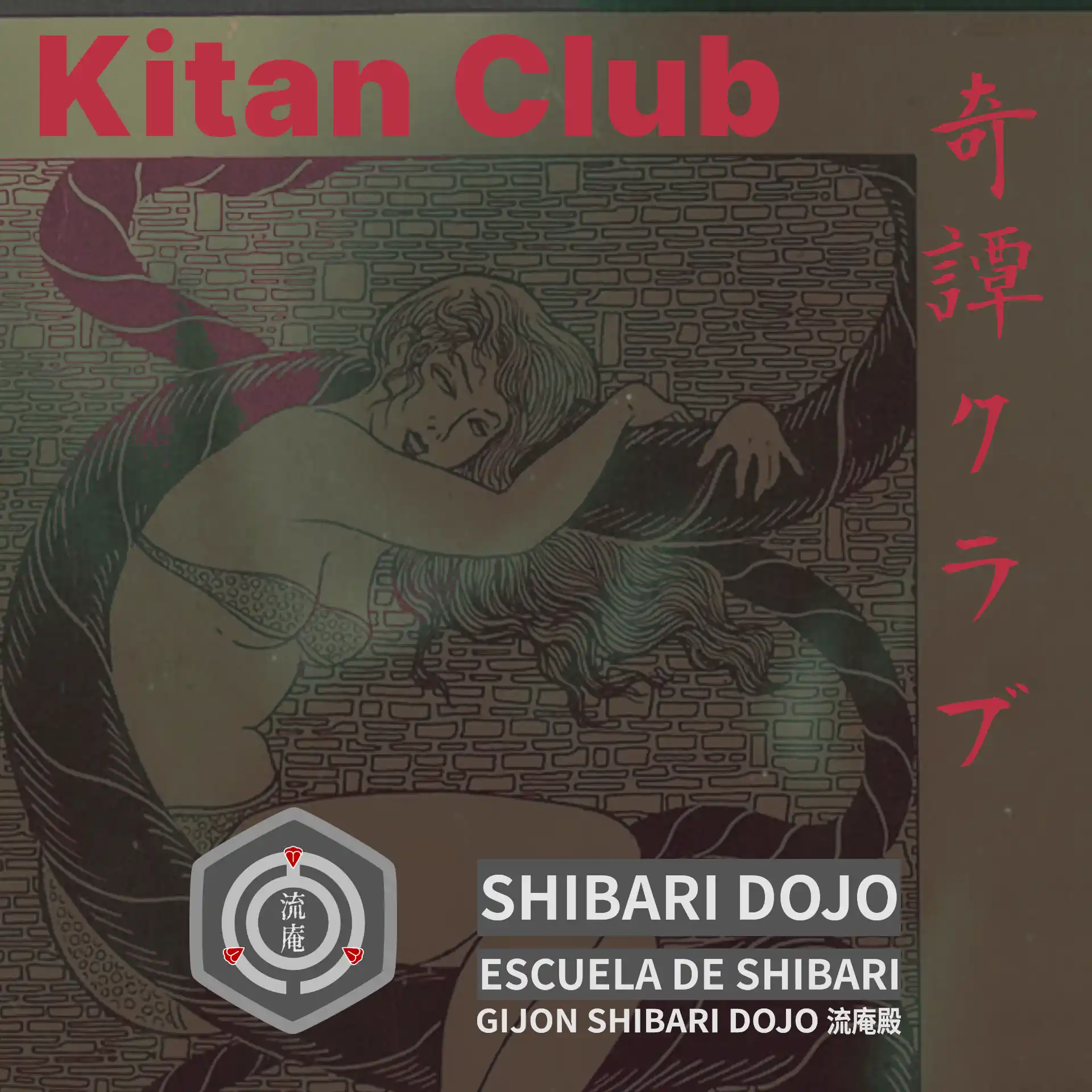
Kitan Club (奇譚クラブ) holds a unique place in the history of postwar Japanese popular and fetish culture. Founded on October 25, 1947, the magazine carved out a singular niche in Japan’s publishing landscape for decades. It served both as a space for readers with unconventional tastes and sensibilities and as a forum where people who might otherwise have remained isolated could connect and share what they cared about.
Historically, print publications — especially magazines — have been a defining element of shibari and kinbaku culture.
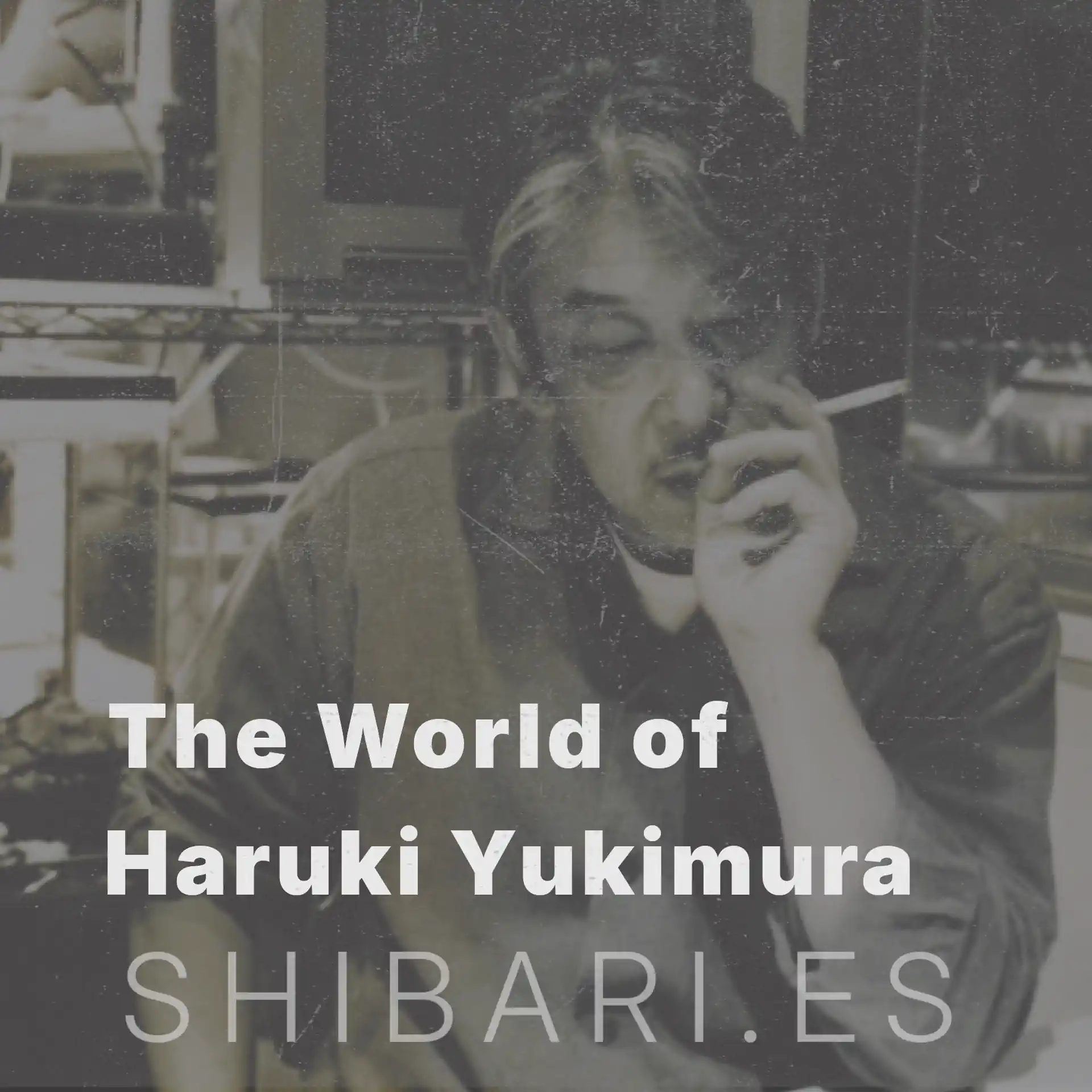
Beyond his fame as a kinbaku master, Haruki Yukimura (雪村春樹) deserves recognition as a visionary creator with a deeply personal—and, at the time, radical—approach.
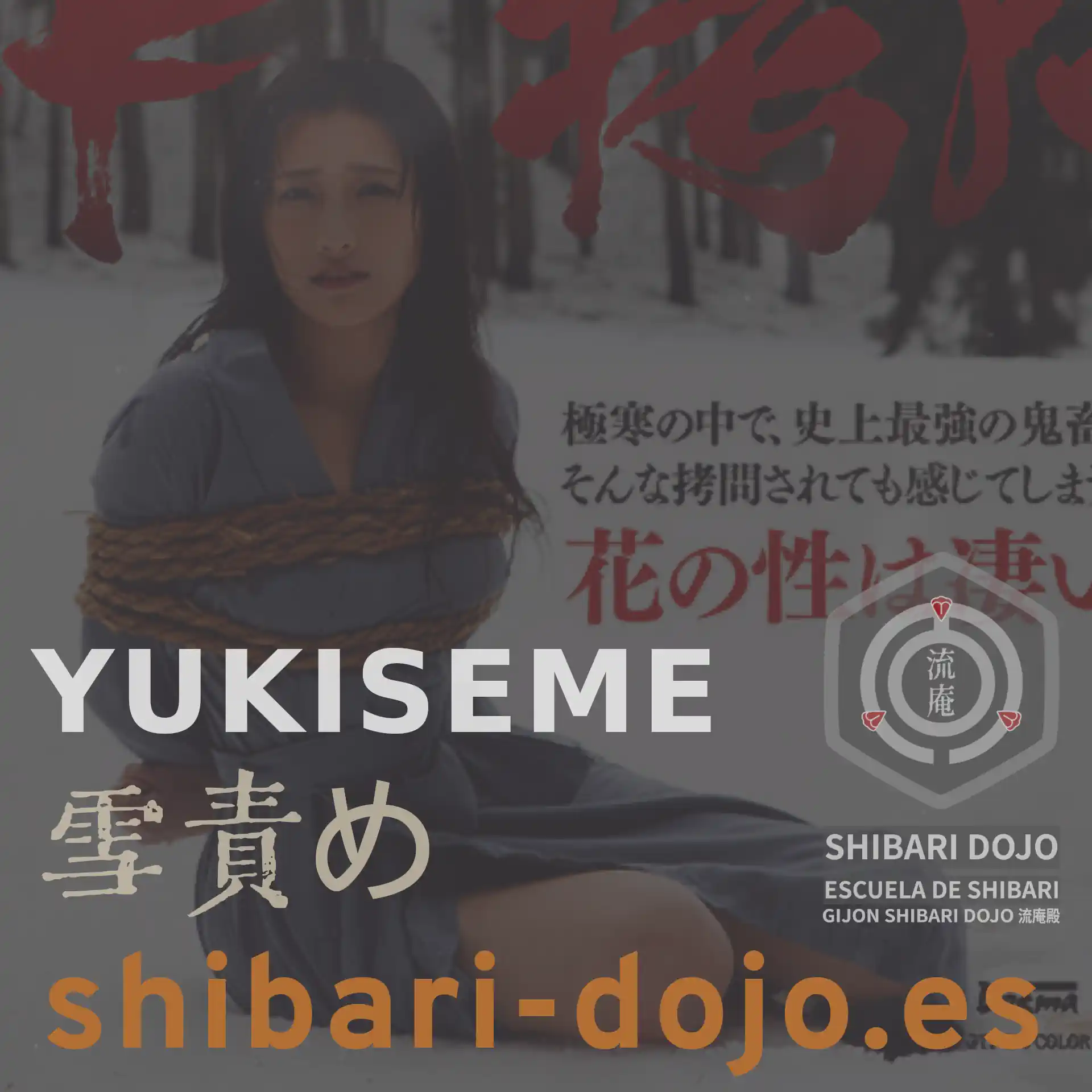
Yukiseme (雪責め) ranks among the classic scenes or themes in shibari, drawn straight from traditional Japanese theater and woodblock prints.
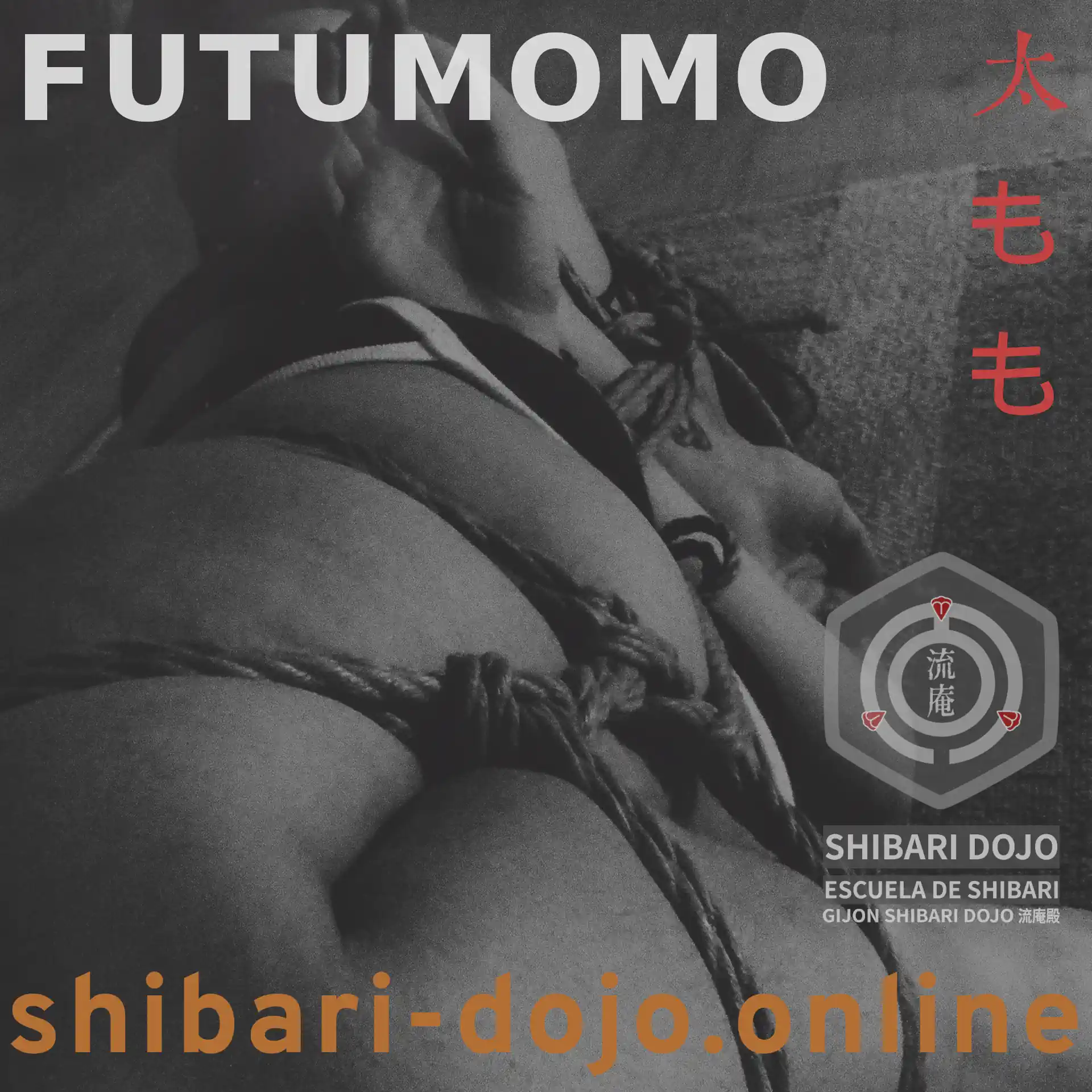
Futumomo is one of the all-time favorite ties among those who practice shibari. It’s easy to build, fun to play with, and offers endless variations depending on how you apply the ropes.
Nawa Naka Kai (縄奈加会) is a community dedicated to the study and practice of kinbaku and semenawa, inspired by the teachings of the Japanese master Naka Akira.
The Onawa Asobi (大縄あそび) event kicked off in 2009 at Yoi Yoshida's Good-Studio with a fresh, game-changing vibe: a stage for talented amateur "bakushi" who weren't chasing pro status but whose craft deserved the spotlight.
Bingo Shigonawa 紫護縄びんご
In 2014, Bingo Shigonawa put out a piece inspired by the civic customs of Japan’s Edo period, reimagined for the world of shibari.
Titled Nawa Shigusa, this text has become a go-to guide for understanding best practices and etiquette within the community.
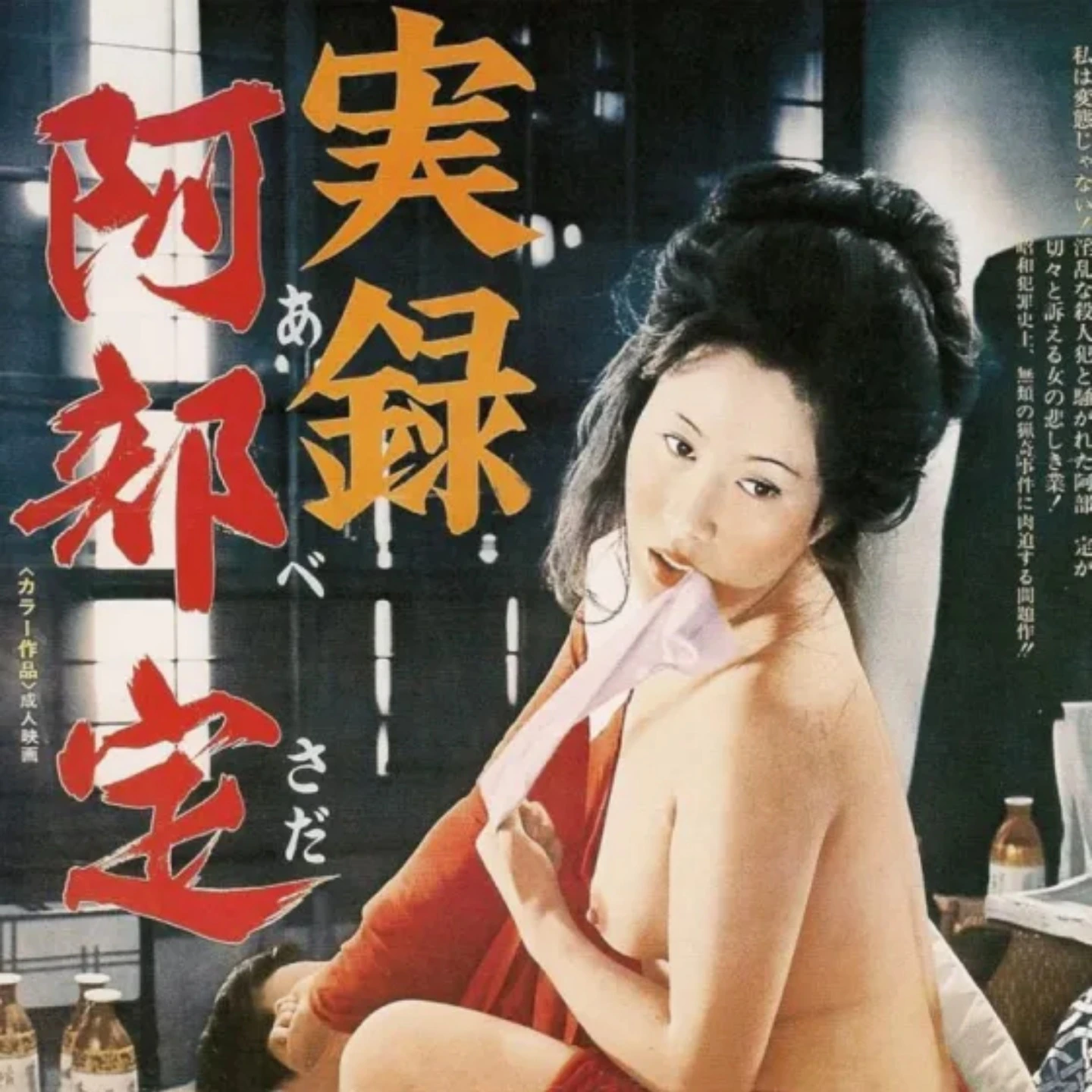
The gripping tale of Sada Abe has inspired multiple films, with the most famous in the West being In the Realm of the Senses (愛のコリーダ Ai no Korîda) by Nagisa Oshima.
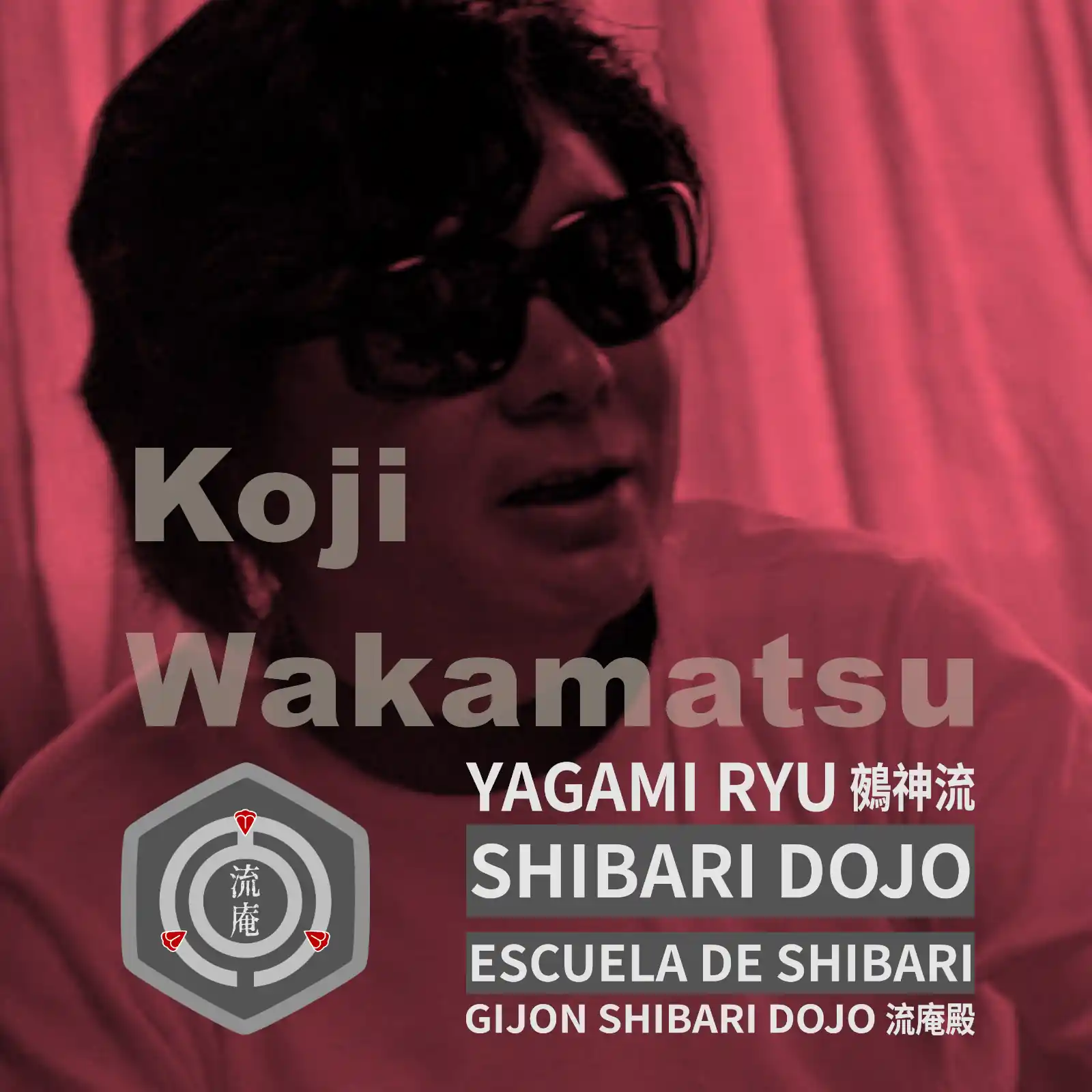
Kōji Wakamatsu (若松 孝二, 1936-2012) was a Japanese filmmaker whose provocative style and unflinching take on sex and violence left an indelible mark on cinema.
Go, Go, Second Time Virgin—or (ゆけゆけ二度目の処) Yuke Yuke Nidome no Shojo in Japanese—(1969), directed by Kōji Wakamatsu, is a raw, gut-punching film that follows two teenagers, Poppo and Tsukio, whose lives are scarred by trauma and violence.
Is shibari inherently Japanese? Its roots undoubtedly lie in the underbelly of Japan, but today, there are far more practitioners and schools outside the islands than within.
There are plenty of myths surrounding ropes.
I’ve heard people say things like, for it to be shibari, you need a specific type of rope, or the ropes have to be a certain length…
Then you see what they’re doing, and it’s hard not to laugh.
We’re continuing this series on the myths surrounding shibari. In this installment, we’re tackling the meaning and use of Japanese terms like shibari and kinbaku, among others.
We’re diving into another uncomfortable myth, one that, when debunked, often points to behaviors and attitudes that can be classified as abusive or at risk of becoming so: the association of shibari with pain and, by extension, with BDSM.
Last April I took part in an online talk where we discussed the myths surrounding shibari.
On February 17, 2025, "縄 緊縛師・奈加あきらと縛られる女たち" ("Akira Naka, the Shibari Master and the Women Who Are Tied") will be released, a book written by Kannon Hanabusa that explores the life and art of shibari master Akira Naka.
El periodo cercano al cambio de año es intenso en Japón, ya que en pocas semanas celebran dos veces el Año Nuevo: una vez siguiendo el calendario occidental y otra siguiendo el calendario chino.
Shibari styles are based on theoretical and philosophical principles that define their essential elements and unique characteristics.
Has anyone had experience with performing safe shibari suspensions while avoiding pressure on the lower back? Are there specific positions you’d recommend, or would it be wiser to avoid suspension altogether? I’m really interested in trying, but only with someone who’s experienced.
This is a question I’m often asked, and it’s one that deserves careful consideration before answering.
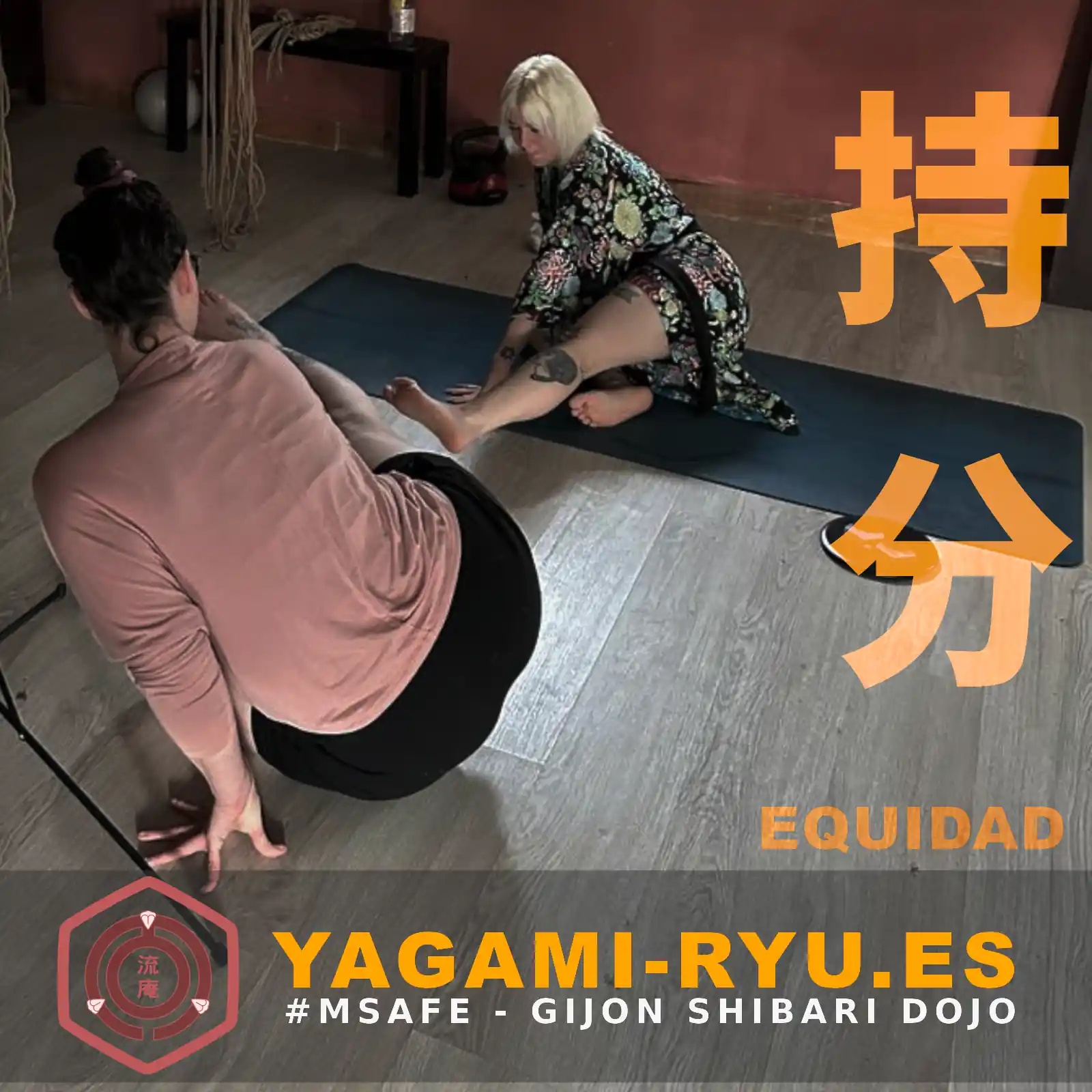
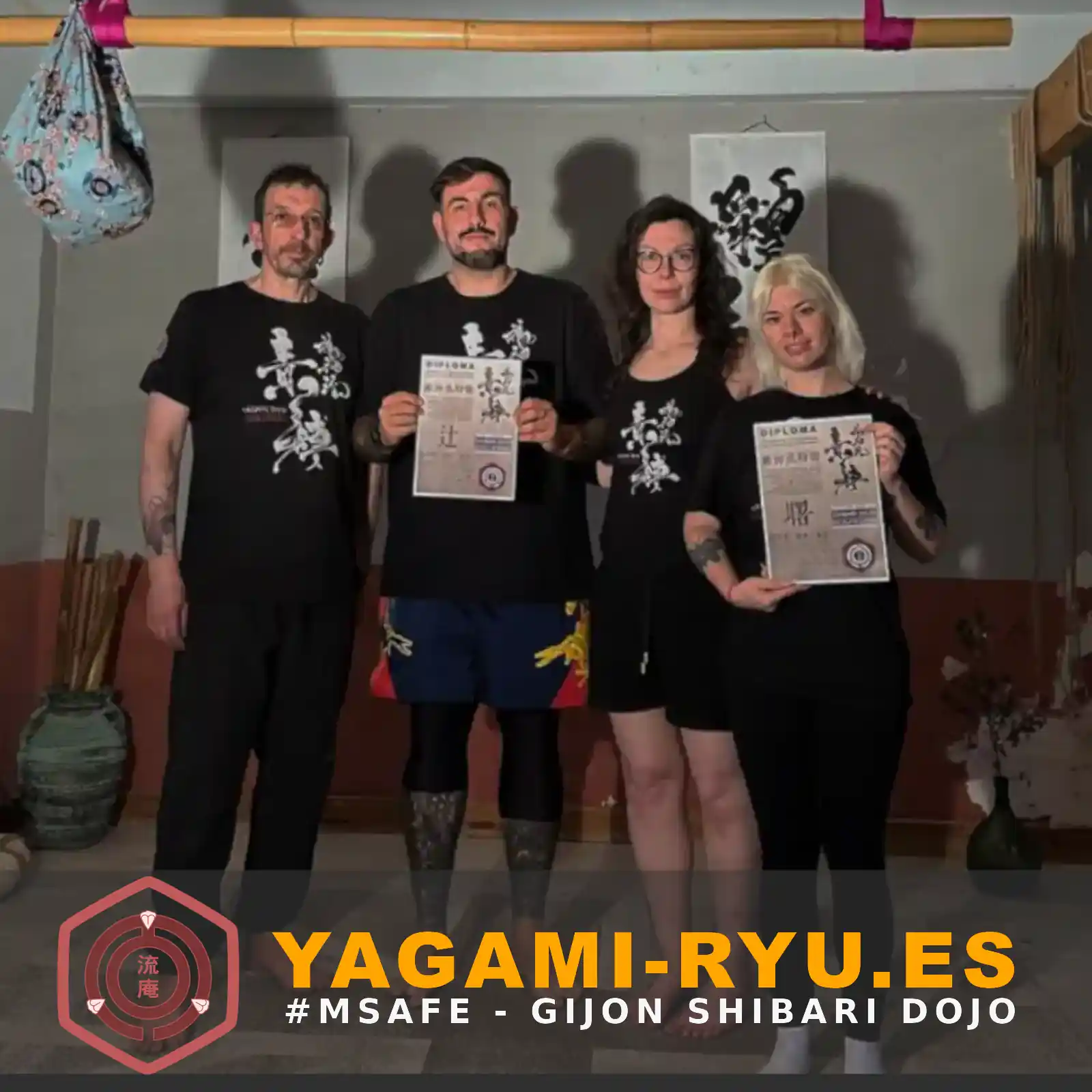
Following our previous post reviewing the diploma ceremony, several people expressed their surprise at seeing that we recognize both the person tying and the tied person.
En Gijón Shibari Dojo, seguimos una metodología de enseñanza propia (#MSAFE), en la que no se trata de llegar a ningún destino específico, ni de terminar antes o hacerlo mejor que los demás, sino que buscamos que los alumnos comprendan y asimilen las técnicas, aplicándolas a sus vivencias personales, cada uno a su manera única de vivir el shibari.
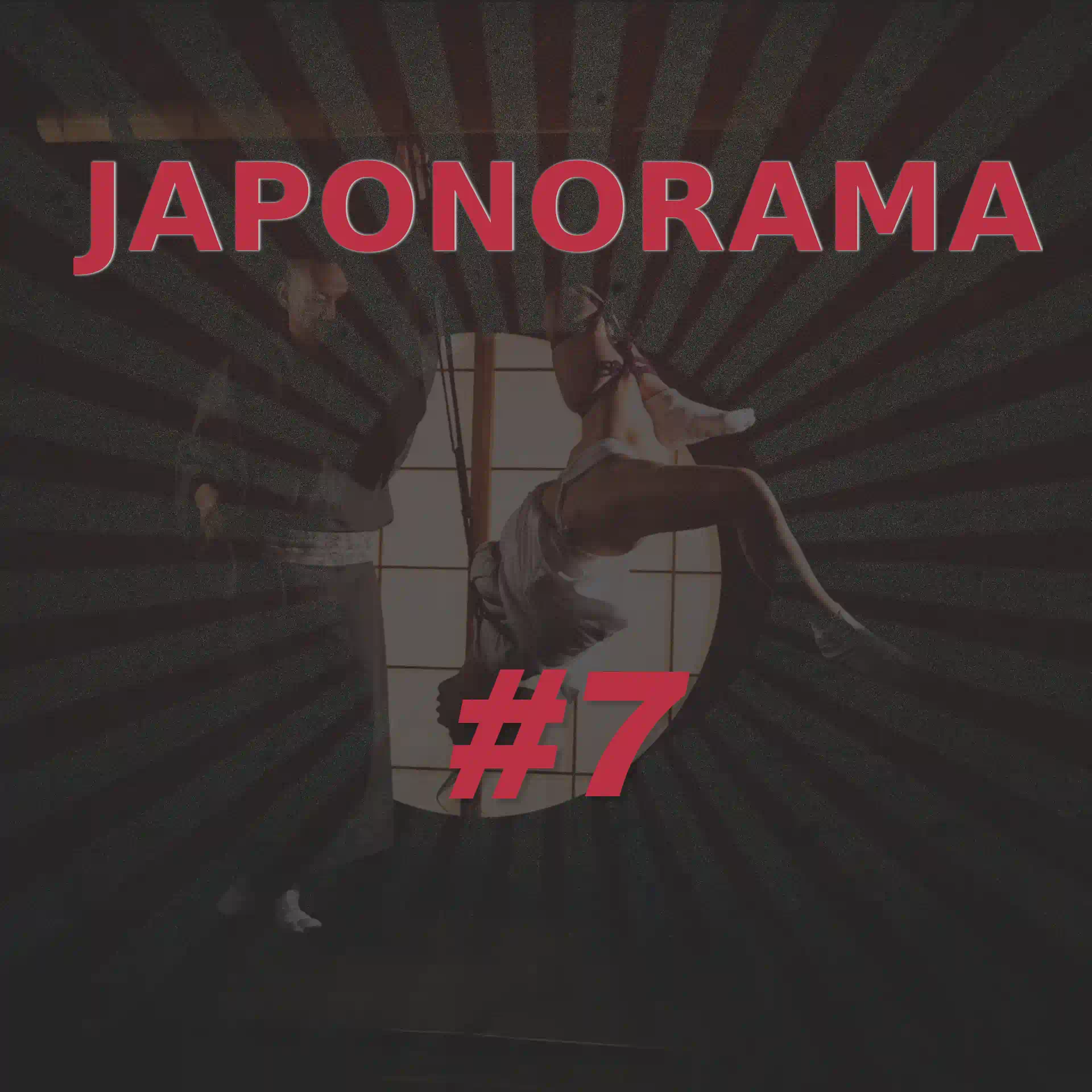
Sexta edición de JAPONORAMA, correspondiente al mes de septiembre de 2024. En esta edición hablamos, entre otras cosas, del Festival Onawa Asobi y del estilo de shibari de Tenma Haru.
Para quienes amamos el shibari, visitar su cuna en Japón, recorrer los antros donde coincidir con personajes de la escena y poder ver un show en vivo es un sueño.
En este Japonorama Especial, os presentamos algunos de los locales más relevantes de la escena japonesa.
Febrero 2024 | Akechi Kana Kinbaku Salón en Tokio | Sesión fotográfica con Kasumi Hourai | Memorial Yukimura Haruki | Coco Ropes Edición Extra
Enero 2024 | Fallece la modelo Kana Kasumi | Aniversario Fetish Bar Arcadia | SM Night 2 | Conversaciones con los maestros del shibari.
Diciembre 2023 | Gira norteamericana de Hajime Kinoko | Reedición de la obra de Itoh Seiu
"JAPONORAMA" es la sección que dedicaremos a presentaros noticias, eventos y curiosidades de la escena shibari japonesa.
La globalización y la asimilación cultural son un hecho, nos guste o no. Al repasar el timeline de vuestras redes sociales en los últimos días, seguro que os encontráis con un buen número de «Santa´s», «Christmas» y felicitaciones varias, tan típicas de estas fechas.