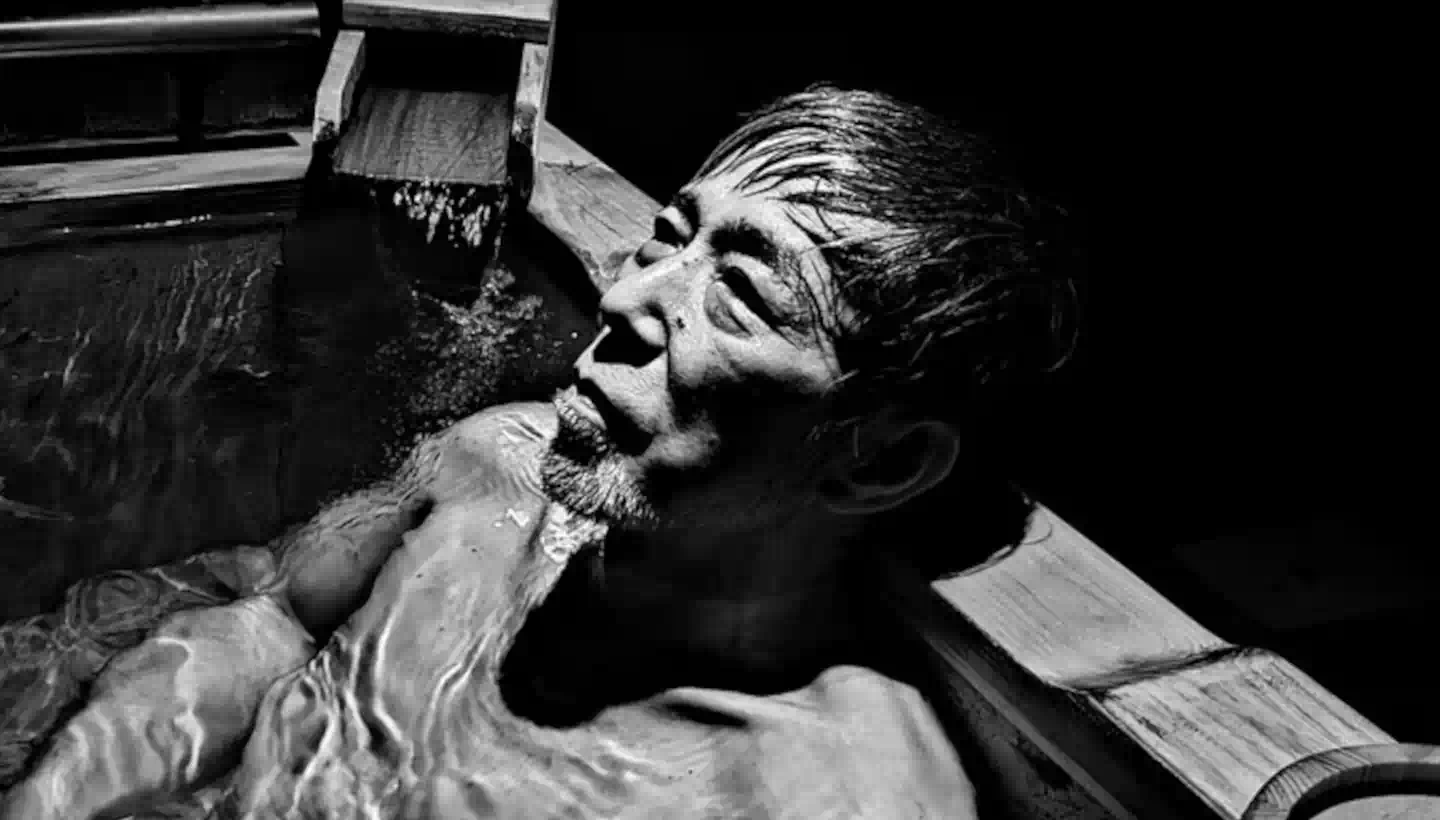
Bingo Shigonawa 紫護縄びんご
In 2014, Bingo Shigonawa put out a piece inspired by the civic customs of Japan’s Edo period, reimagined for the world of shibari.
Titled Nawa Shigusa, this text has become a go-to guide for understanding best practices and etiquette within the community.
With his permission and at his request, I’m sharing the original Japanese text alongside my translation and notes.
May this post honor his legacy and serve as a reminder of the value of courtesy and respect in all our interactions.
Edo-Era Etiquette
【江戸しぐさ】 (Edo Shigusa)
Here are some key courtesy rules from Japan’s Edo period. Though they apply to everyday life, their core principles still hold true in any setting, including shibari.
【傘かしげ】 (Kasa Kashige) - Tilt Your Umbrella
On rainy days, angle your umbrella away when passing someone to keep water from splashing them.【肩引き】 (Kata Hiki) - Shift Your Shoulder
While walking, turn your shoulder toward the edge of the path to make room for others.【時泥棒】 (Toki Dorobou) - Don’t Steal Time
Showing up late or dropping by unannounced is a serious breach of respect.【うかつあやまり】 (Ukatsu Ayamari) - Be Quick to Apologize
Even if it’s not your fault, saying sorry keeps the vibe positive.【七三の道】 (Shichisan no Michi) - Stick to Your Slice of the Path
Use just a small portion of the road, leaving plenty of space for emergencies or others.【こぶし腰浮かせ】 (Kobushi Koshi Ukase) - Leave a Fist’s Worth of Space
In shared spaces, leave a little room—about the width of a fist—for others to settle in.【逆らいしぐさ】 (Sakarai Shigusa) - Don’t Start with “But”
Avoid kicking off with “but.” Listening respectfully fosters personal and collective growth.
Shibari Etiquette
【縄しぐさ】 (Nawa Shigusa) by Bingo Shigonawa
【足浮かせ】 (Ashi Ukase) [Floating Foot]
:他人の縄は決して踏んではならない。縄に想いや拘りを持つ人は多い。大事に扱うのは礼儀で、足で踏むのは大変失礼。Never, ever step on someone else’s rope. Riggers are deeply particular about their cords, and treating them with care is a matter of respect. Stepping on them? That’s a major faux pas.
It’s bad form to touch, move, or grab someone else’s belongings without asking—especially when it comes to tools tied to their personal expression and sexuality.
【縄ことわり】 (Nawakotowari) [Rope Permission]
:足浮かせと同様に他人の縄に触れる時は、一言ことわりをいれる。例え親切心で縄の片付けをする時にでも、持ち主に触れていいか確認をしてから触れる。Just like you wouldn’t step on a rope, don’t touch one without asking first. Even if you’re just trying to help tidy up, always check with the owner before laying a finger on their gear.
In shibari, respect isn’t just about ropes and tools—it extends to everyone’s physical and emotional space. After a session, if you’re a spectator, don’t rush in to comment, hug, or critique unless invited.
【七三の床】 (Shichisan no Yuka) [Three-Tenths of the Floor]
:同じ床で複数人で縄を掛ける場合、相手に七、自分に三の領域のつもりで掛ける。互いにそのつもりでいることで、互いに干渉し合わない五分五分の場を作ることが出来る。When tying in a shared space, stick to just three-tenths of the area, leaving the other seven-tenths for everyone else. This way, you avoid crowding each other and keep the session smooth.
This rule also applies to ropes, bags, jackets, and even snacks. Spread out your stuff, but always keep in mind you’re sharing the space.
【姫(殿)泥棒】 (Hime or Tono Dorobou) [Don’t Steal the Princess]
:主や相方のいる女性又は男性と必要以上に親しくなることは御法度。相手が知った上で関わることが最低限の礼儀。縄を掛ける場合は両者の同意を得ること。Getting too cozy with someone who’s already partnered up is a big no-no. Common courtesy means getting clear, upfront consent from their partner before tying. Full agreement from everyone involved is non-negotiable.
Informed, explicit consent from all parties—not just those in the room—is a must before any session. The Kinky Club team will double-check that everyone knows what they’re signing up for. Ultimately, each person is responsible for their own choices and actions.
【うかつあやまり】 (Ukatsu Ayamari) [Be First to Say Sorry]
:相手に主や相方がいることを知らずに縄をかけてしまった場合、相手のせいにはせずしっかりと謝ることでその場を収める。If you start tying someone and later find out they have a partner (or you didn’t get their partner’s permission first), don’t point fingers. Offer a quick, sincere apology to clear the air.
In general, for everyone involved, when a mistake happens—no matter how big or small—it’s better to own it and say sorry than to play the blame game. A quick apology goes a long way.
【いいわけいらず】 (Iiwake Irazu) [No Need for Excuses]
:縄を掛けた後に、ああだこうだといいわけをしない。受け手にさらに悪い印象を与えてしまう。結果は真摯に受け止める。Once the tying’s done, don’t make excuses for how it turned out. That’ll only leave a bad taste in the bound person’s mouth. Own the outcome with honesty.
Just as you should be ready to apologize for mistakes, there’s no need to grovel or feel ashamed about how a session went. Shibari isn’t an exact science. The plan and the outcome often evolve with the moment and the people involved. It’s about connection, not perfection.
【髪ひき】 (Kami Hiki) [Don’t Toss Your Hair]
:縛られた時に発生した不具合や問題を、その場で伝えずに後に引きずる。当事者以外に伝わることが多い。後に引かずにその場で伝えるべし。後ろから髪を引っ張るようなことはしない。Any issues that pop up during a session should be addressed right then and there. Letting them fester or airing them out to others drags unrelated people into the mix.
Aftercare isn’t just a quick cuddle in the ropes post-session. Checking in over the days that follow, talking about what each person felt, and comparing notes openly and honestly is the right way to wrap things up.
【足びき】 (Ashi Biki) [Don’t Drag Others In]
:相手を羨やみ、妬み、他人を巻き込んで足を引っ張ろうとすること。迷惑極まりない行為。Stirring up drama by pulling others into conflicts born of jealousy or envy is completely out of line.
Shibari taps directly into emotions, which can spark all sorts of feelings—not just jealousy—that can sour the vibe. Over the years, I’ve seen enough knee-jerk reactions from spur-of-the-moment sessions (a quick “tie me” or “I’ll tie you” can cause earthquakes), so I’ve banned impromptu ties at Play Time events.
【同じ草】 (Onazi Kusa) [The Same Plant]
:どんな性癖もどんな嗜好も、様々な事柄は同じ『人』の心。同じ草のようなもの。踏まれても耐え、育っていくもの。草は根(人)と葉(人)がないと育たない。どちらにも養分を与える必要がある。No matter your kinks or experiences, at the core, we’re all just people. Like plants, even when trampled, we stand tall and keep growing. And like plants, we need roots and leaves—other people—to thrive.
【しぐさの道】 (Shigusa no Michi) [The Path of Good Manners]
:主や相方と積み重ねた想いや絆も、いつか別れを迎えることになる。相手を妬み、怨み、憎み、責めることなく、次の道へ進むのが思草の道。枯れるのではなく、育ち花咲くものである。Even the deepest bonds with play partners, built on trust and feeling, can cool off and end. Moving forward without resentment, grudges, or blame is the “path of good manners.” Don’t dwell on what’s over—focus on what’s blooming next.
- Original Text: Bingo Shigonawa 【紫護縄びんご】
- Translation and Notes: Sr. Interior